
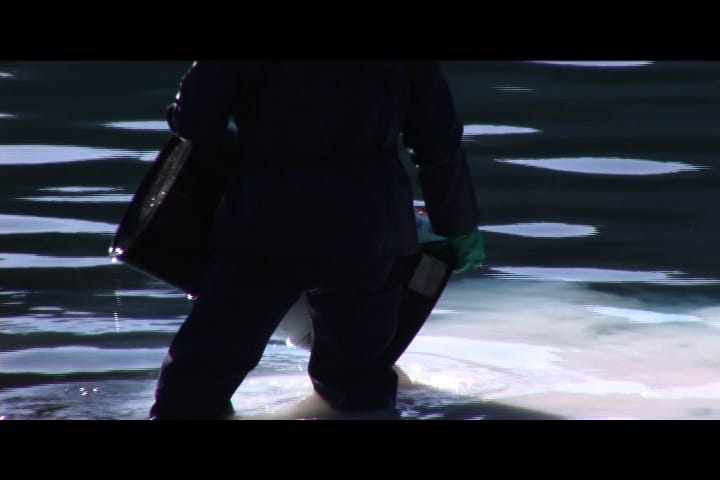
Active river poisoning projects continued in Yellowstone National Park (YNP) again in 2025. The major focus is rotenone treatments in select drainages including Soda Butte Creek and the upper Gibbon River. These latest projects and others ongoing across the country are all part of a new-found zeal to ‘restore native species.' The concept is to first kill everything in the stream and then to stock fish generally reared in hatcheries. This poisoning/stocking strategy has even found a friend or two among the conservation community, those who proclaim against science, the almost magical ecological restoration qualities of this outmoded fishery management strategy. >Read An Open Letter to Mr. Ted Williams
Rotenone poured in to streams like Soda Butte simply kills everything in its path including in many cases the remnant populations of native fish intended for ‘restoration.’ Anyone doubting the significant collateral damage being caused by this brand of so-called “Native Fish Restoration” or the potential long-term impacts can read more at www.stopriverkilling.org or Watch a Short Documentary on YouTube
It occurs to me that if anyone other than biologists were trying to eradicate every fish, amphibian, reptile, and insect from its natural habitats – our community would be in an uproar. Imagine for example that all this aquatic life was being killed by a massive oil spill…or eradicated by a developer. The official rhetoric is always carefully scripted to make the ‘treatments’ sound surgical – not at all like the wholesale clear-cutting of the aquatic biota that is resultant from Rotenone poisoning. The YNP statements are consistently packaged with messaging about ‘the ills of the past’ and suggestions that somehow project ends will justify the project means.
Unfortunately many anglers, conservationists, non-profits, and scientists remain silent as the quiet march of habitat destruction continues, funded by big public budgets, all across my home state of Montana, in Yellowstone Park, and throughout much of the U.S.
Our nation’s streams, rivers and wetlands face many challenges today, but few so great as poorly conceived, extreme, and antiquated management techniques. In this we are clearly the most invasive species.


