
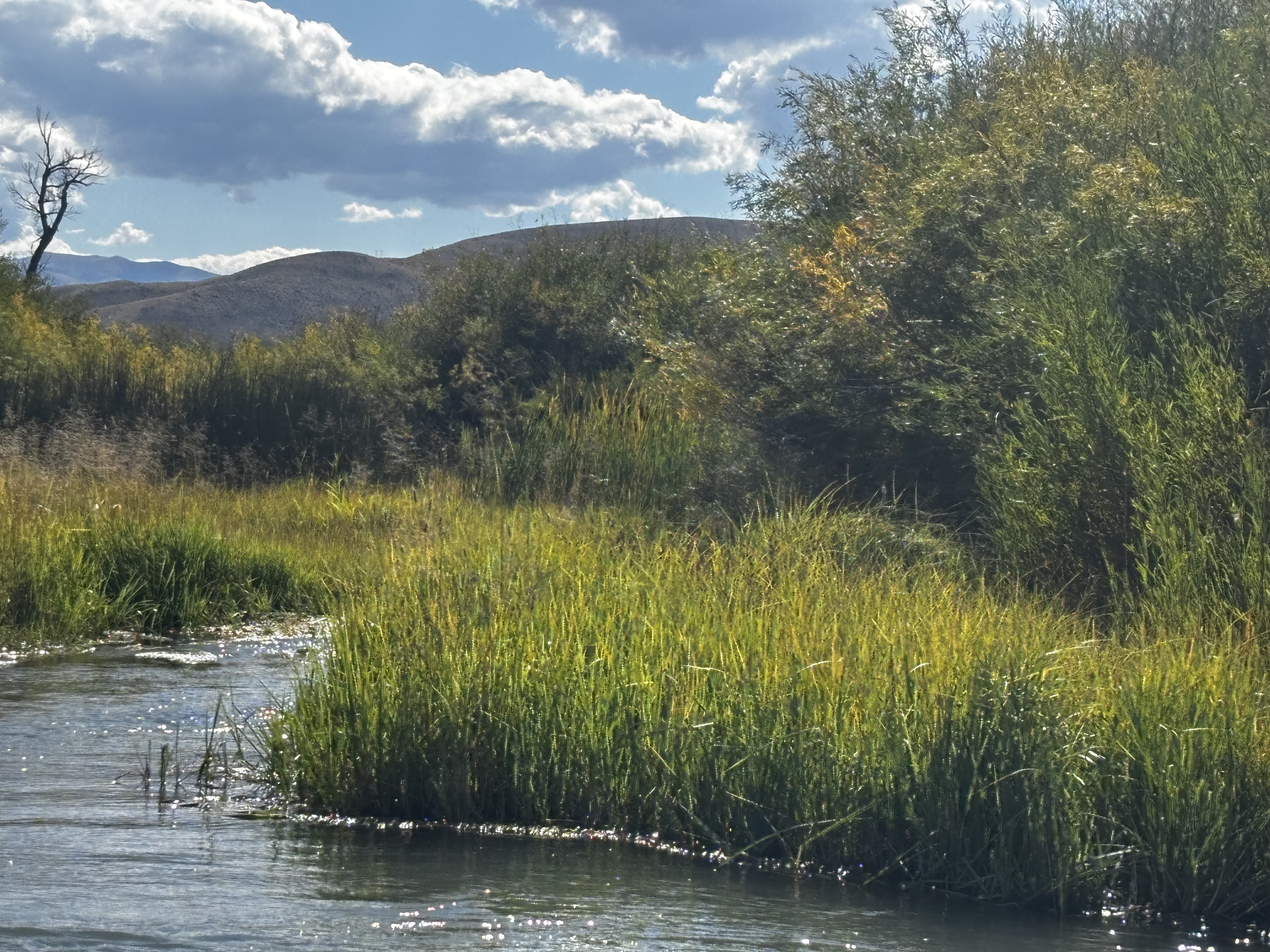
Freshwater ecosystems—rivers, lakes, wetlands, and aquifers—cover less than 1% of Earth’s surface, yet they are home to an astonishing 10% of all known species. From dragonflies and crustaceans to fish and amphibians, these habitats support extraordinary biodiversity. Unfortunately the latest research reveals a sobering truth: one in four frehwater species is now threatened with extinction.
According to the first comprehensive global assessment, the drivers of this decline are interconnected and intensifying. Pollution, often from agriculture and wastewater, poisons waterways with excess nutrients and toxins. Dams and water extraction disrupt natural flows, fragment rivers, and block fish migrations. Land-use change—from deforestation to urban sprawl—erodes wetlands and floodplains. Invasive species displace native populations, while overharvesting and climate-driven changes in water temperature further accelerate losses. >More
The scale of decline is striking. The Living Planet Index reports that monitored populations of freshwater vertebrates have plummeted by an average of 85% since 1970—a sharper fall than in terrestrial or marine systems. Iconic species such as sturgeons, river dolphins, and freshwater mussels are among the most imperiled.
This crisis matters beyond conservation circles. Freshwater ecosystems provide essential services for people: clean drinking water, food, flood protection, and cultural value. Their collapse would threaten human well-being as much as biodiversity.
There is hope. Restoring wetlands, reconnecting rivers, reducing pollution, and integrating Indigenous knowledge into management are all proven solutions. Thanks to the support of our many clients, Trout Headwaters is proud to continue working to restore, protect and preserve streams, rivers and wetlands across the U.S.
For all of us, saving freshwater species is not just about saving wildlife—it is about safeguarding the very systems that sustain life. The urgency is clear, and the window for action is now. Contact Us


