
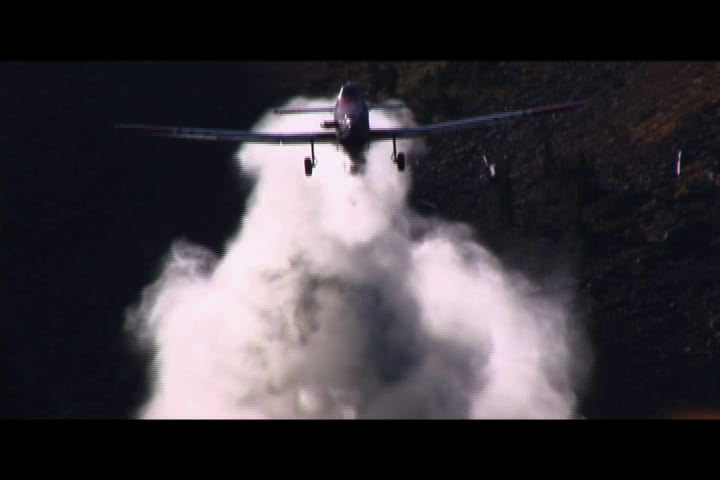
In 2025, a wave of rotenone “fish poisoning” projects swept across western states, marking one of the most active years for poisoning in recent memory. From Idaho’s alpine lakes and Montana’s coldwater tributaries to Utah’s High Uintas and Colorado’s Rocky Mountain National Park, agencies used rotenone—a broad-spectrum piscicide—to clear cut the aquatic biota, killing entire fish populations in an effort to remove nonnative species and “reset” ecosystems for hatchery-reared native trout. Idaho alone conducted three projects, including large-scale treatments in the Five Lakes Butte and Badger Creek drainages. Similar work occurred in Montana’s Elk Creek and Trapper Creek watersheds, as well as Utah’s Fall Creek system and select headwaters in Colorado and Washington.
Despite their intent, rotenone projects remain ecologically damaging—and costly. Treatments often require helicopter access, specialized personnel, and days of neutralizing follow-up work using potassium permanganate to detoxify downstream flows. Remote logistics, hazardous material handling, and mandatory monitoring can drive costs well into six or seven figures per project.
Ecologically, the impacts are far from surgical. Rotenone kills all gill-breathing organisms, wiping out native amphibians, aquatic insects, and even rare invertebrates. Full recovery of aquatic food webs can take decades, and recolonization by target native fish is not always guaranteed. Some studies suggest repeated treatments may even reduce long-term biodiversity and water quality resilience.
Finally, rotenone’s record of mixed success adds to concerns. Nonnative fish often recolonize via connected waterways, and chemical detoxification is never fully precise—leaving pockets of survivors. As more western watersheds face restoration pressures, critics urge agencies to reconsider chemical eradication as a blunt instrument, advocating instead for habitat-based restoration, natural recolonization, and preventative management as more sustainable tools for native fish recovery.
Learn More www.stopriverkilling.org


