
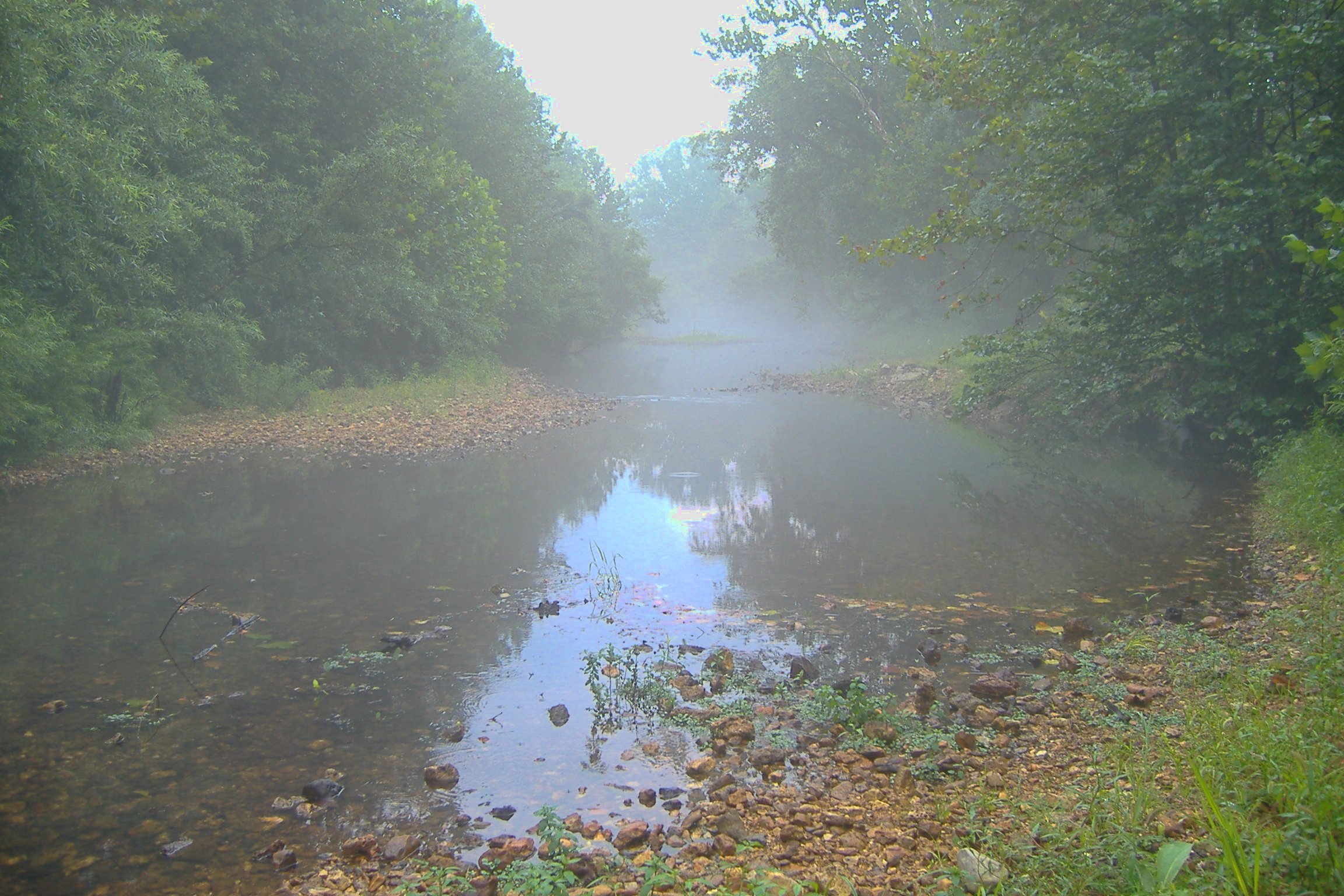
Wetlands provide numerous beneficial functions to nature and society including fish and wildlife habitats, water quality improvement, flood storage, erosion control, recreational use, aesthetic values, and ecosystem services (ie: drinking water for our use.)
In the pursuit of more water, some have wrongly promoted a notion that wetlands are unnecessary or harmful to society or our water. Quite the opposite, these natural and restored features collect, filter, store and convey water.
When water from rain, snowmelt, or even human-created runoff is permitted to slowly soak into a healthy wetland, that wetland can act like a filter cleansing suspended particles, pollutants, and nutrients before directing the cleansed water to either groundwater or a nearby stream.
One concern regarding the enhancement of wetlands is the idea that evaporation may increase, thereby ‘wasting’ scarce water. According to research, this is not the case for example when increasing the amount of open surface water in an existing wetland within colder northern climates.
For more information and details about the value of wetlands, streams and other natural assets for your property >Learn More or Contact Us


