
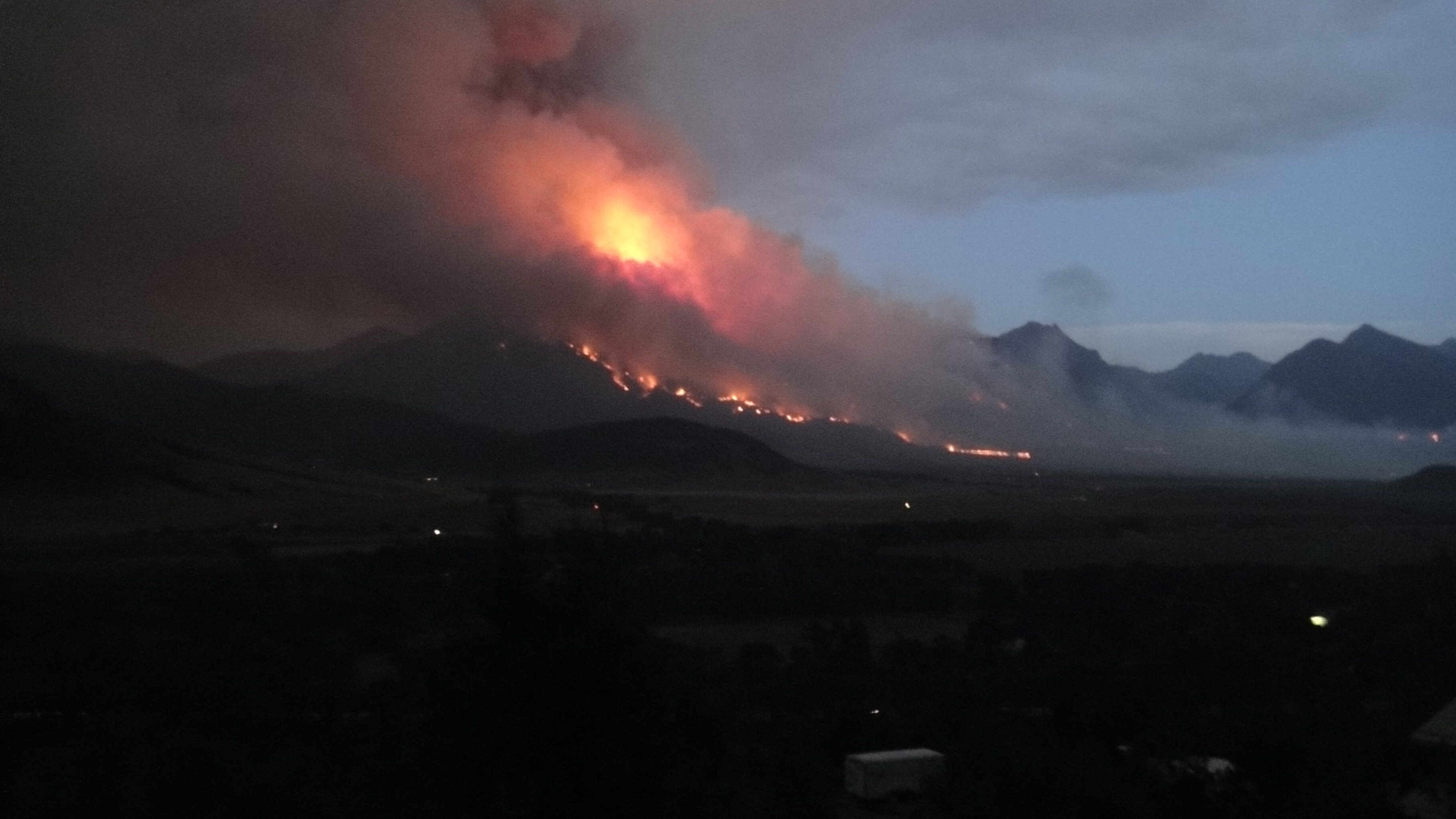
When wildfires rage across a landscape, it’s easy to focus on forests and uplands. Yet some of the most profound and lasting consequences fall on riparian ecosystems—the green ribbons of trees, shrubs, and wetlands that line rivers and streams. These areas provide shade, stabilize banks, filter pollutants, and serve as biodiversity hotspots. But when fire sweeps through, riparian systems face both immediate and long-term challenges.
Immediate Effects: Heat, Loss, and Instability
In the hours and days after a wildfire, the impacts on riparian zones are dramatic. Flames can kill vegetation outright, stripping away the canopy that normally shades streams. Without that cover, water temperatures rise, stressing coldwater fish like trout and salmon. Root systems that once held soil in place are destroyed, leaving streambanks vulnerable to collapse.
The heat of the fire can also create water-repellent layers in soils, preventing infiltration. When the next rain comes, the landscape sheds water like pavement, leading to flash floods and debris torrents. The loss of leaf litter and woody debris—critical for stabilizing banks and creating habitat—further destabilizes the stream corridor.
Short-Term Fallout: Sediment and Stress
In the weeks and months that follow, erosion accelerates. Ash, soil, and charred material wash into streams, smothering gravel beds where fish spawn. This sediment also fills pools, reducing habitat diversity. At the same time, nutrients like nitrogen and phosphorus surge into waterways, often triggering algal blooms that lower dissolved oxygen.
Wildlife suffers too. Birds, amphibians, and mammals that depend on riparian cover lose food and shelter. Aquatic life faces a one-two punch of warmer water and reduced oxygen. In some cases, fish kills occur when dissolved oxygen plummets or water chemistry changes sharply due to ash and firefighting chemicals.
Long-Term Pathways: Resilience or Decline
Over years to decades, riparian ecosystems chart one of two paths: recovery or decline. Many native plants, such as cottonwood, willow, and alder, are adapted to disturbance and resprout vigorously. Fallen trees eventually contribute large woody debris, restoring habitat complexity. In the best cases, fire resets succession, creating a mosaic of age classes and structural diversity that benefits both aquatic and terrestrial species.
But recovery is not guaranteed. Severe, repeated fires can open the door to invasive plants like cheatgrass or tamarisk, altering ecosystem structure and water demand. Sediment-laden floods may permanently change stream channels, widening or braiding them in ways that reduce habitat quality. If fire frequency increases—something climate change makes more likely—riparian systems may cross thresholds beyond which full recovery is difficult.
Why It Matters
Riparian ecosystems are linchpins for ecological and human health. They cool water for fisheries, filter drinking supplies, and buffer communities from floods. When fire damages these systems, the ripple effects extend far downstream—literally and figuratively. For land managers, restoration after wildfire often means stabilizing banks, replanting native vegetation, and re-establishing shade and complexity in streams.
At the same time, it’s important to remember that fire is not inherently destructive. In many landscapes, periodic, low-intensity burns historically maintained riparian diversity. The challenge today is that fires are hotter, larger, and more frequent than in the past. That reality makes protecting, restoring, and planning for riparian resilience a critical piece of living with fire in a changing climate.


