
The Billings Gazette’s Brett French writes that a controversial plan to remove nonnative rainbow trout from a creek in the Absaroka-Beartooth Wilderness was one of 14 such plans recently approved by the Montana Fish and Wildlife Commission.
Commission approval of fish removal projects had not been required until the new Fish, Wildlife & Parks director, Hank Worsech, asked the agency’s legal counsel if it was necessary. Becky Docktor, FWP’s chief legal counsel, said the commission should have a say on the projects. While sometimes wrongly heralded as so-called ‘native fish restoration’, these poisoning and restocking programs are invasive, expensive, and long-proven to fail.
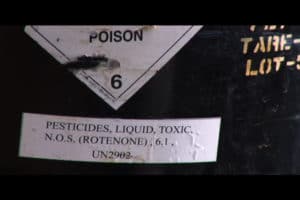
Opponents have criticized fisheries managers who don’t fully evaluate the risk of the piscicides to non-target aquatic species such as amphibians, reptiles, insects and macroinvertebrates, some of which may also be endangered. Using poisons to destroy habitats in pristine wilderness headwater steams may prove especially damaging. Environmental organizations fear the cumulative impact these projects may ultimately have on water quality and human health.
In most cases the repeated use of poisons hasn’t stopped non-natives and hybrids from reappearing in previously poisoned systems, either due to incomplete poisoning, natural migration, mistakes in stocking, and/or re-introduction of non-natives by citizens. >Learn More at stopriverkilling.org


