
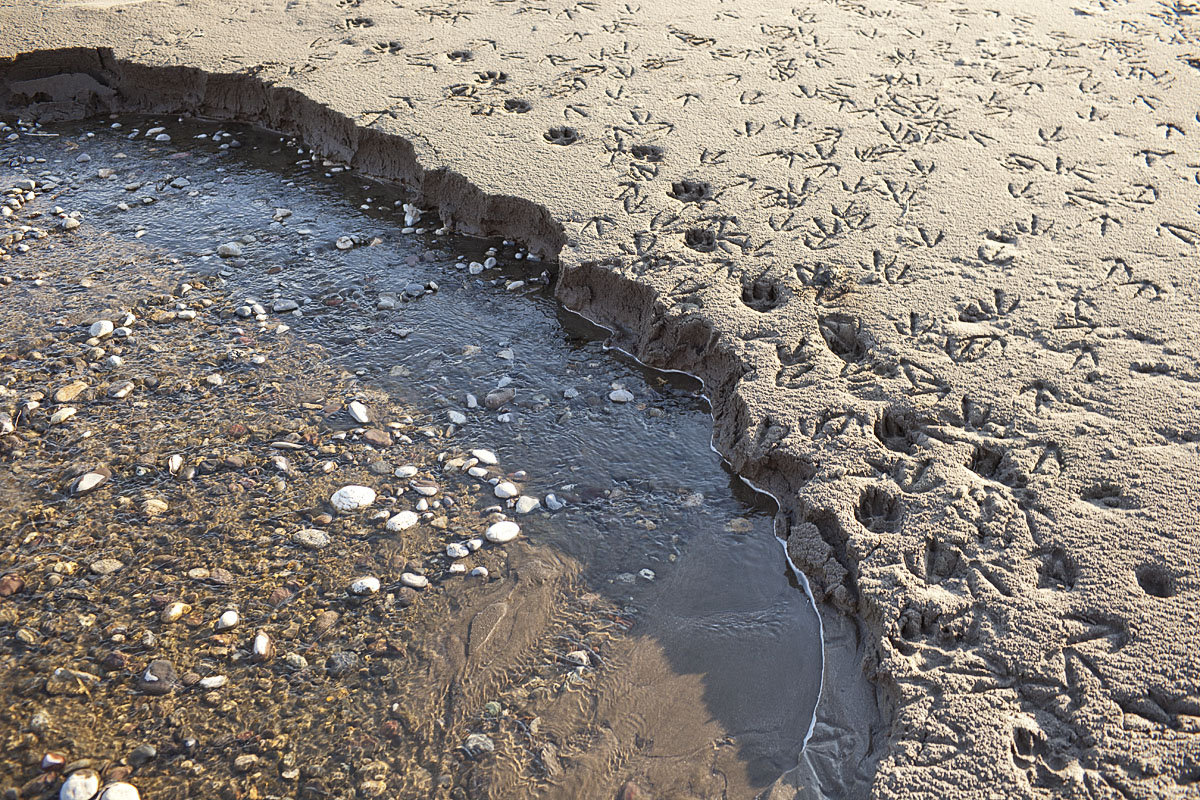
By mid-July 2026, Montana was again confronting low streamflows, rising water temperatures, and emergency fishing restrictions.
Beginning July 11, Montana Fish, Wildlife & Parks imposed hoot-owl restrictions on portions of the Beaverhead, Madison and Sun rivers. On July 15, restrictions expanded to sections of the Big Hole and Ruby rivers, the entire Jefferson and East Gallatin rivers, and portions of the Gallatin and Madison. A section of the Madison below Ennis Reservoir was placed under a full, 24-hour closure because water temperatures remained dangerously warm.
These restrictions are necessary. They reduce catch-and-release mortality when trout are stressed by warm, shallow and poorly oxygenated water. But they also reveal a fundamental management flaw: fishing restrictions regulate anglers, not water.
Neither hoot-owl restrictions nor full closures increase streamflow, recharge groundwater or reduce water losses. They protect fish during a crisis without addressing the conditions causing it.
The problem is not simply a lack of precipitation. Snowmelt timing, soil moisture, irrigation demands, evaporation, groundwater depletion and sustained heat all determine how much water remains in rivers later in summer. Degraded wetlands, disconnected floodplains and incised channels further reduce the landscape’s ability to store water and release it gradually.
Montana needs a broader response that includes floodplain reconnection, wetland restoration, riparian protection, improved irrigation efficiency, groundwater management and voluntary water-sharing agreements.
Fishing closures remain an important emergency tool, but they are not a solution to dewatering.
Closing a river keeps anglers off the water. Restoring the watershed helps keep water in the river.


