
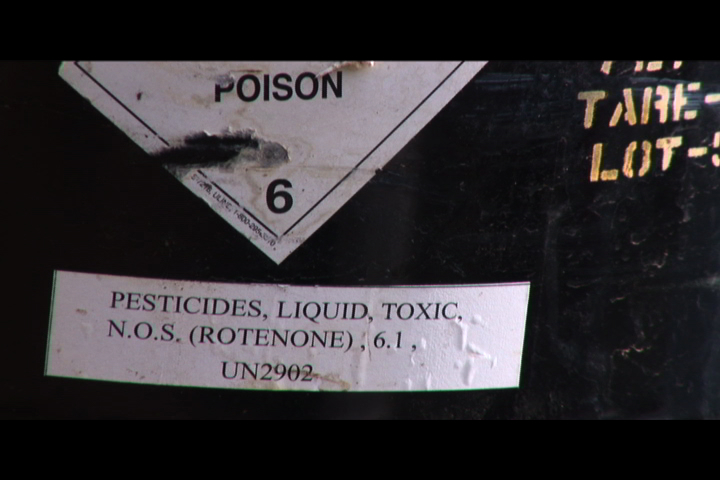
Yellowstone National Park plans to begin poisoning Buffalo Creek with rotenone on August 31, 2026, in another attempt to protect native Yellowstone cutthroat trout from rainbow trout and hybridization. Protecting native fish is a worthy objective. But the current Buffalo Creek project raises a fundamental question: Why poison a stream when managers know the targeted fish can simply return?
The original Buffalo Creek restoration strategy was based on removing rainbow trout throughout the connected watershed. The Park itself acknowledged in its environmental review that its success would be limited without removing nonnative trout upstream on adjacent National Forest lands.
That upstream project has since been blocked, leaving the source population in place. Yet Yellowstone is proceeding with rotenone treatment downstream inside the park. The Park Service describes Buffalo Creek as the source of rainbow trout entering Slough Creek, Soda Butte Creek and ultimately the Lamar River, and says eliminating that source is important to long-term cutthroat conservation. But if the upstream population survives, the source has not actually been eliminated.
This illustrates a concern raised for years by StopRiverKilling.org and fisheries professionals critical of large-scale rotenone programs: poisoning entire aquatic communities can become an expensive cycle when the ecological conditions permitting reinvasion remain unchanged. Critics have questioned whether killing established aquatic organisms in pursuit of a reconstructed historical fish community constitutes sound ecosystem restoration.
Rotenone is not selective. Yellowstone acknowledges that it is toxic to gill-breathing organisms and that treatments affect aquatic macroinvertebrates. Its own fisheries history also shows that eradication is not necessarily permanent: brook trout were apparently eliminated from Soda Butte Creek after rotenone treatments, only to be discovered again in 2022.
Yellowstone should protect its native cutthroat trout by restoration of the vital habitats increasing at risk. Conservationists and tax-payers should also require a reasonable expectation of some lasting success.
Poisoning Buffalo Creek while knowingly leaving the upstream source of reinvasion intact risks repeated treatments and increased habitat destruction.
More information on concerns surrounding rotenone-based stream restoration is available at StopRiverKilling.org.


