
Healthy watersheds depend on connections—from headwater streams and wetlands to tidal estuaries and the fish that sustain coastal food webs. A new decision to reduce menhaden harvest in the Chesapeake Bay highlights why protecting those connections matters.
According to WHRO’s November 11 reporting, the Atlantic States Marine Fisheries Commission voted to tie the bay’s menhaden harvest ceiling to 21.8% of the coastwide allowable catch. Combined with coastwide reductions phased over two seasons, the changes will lower the bay ceiling from 51,000 metric tons to 33,847 metric tons by 2028.
Menhaden provide food for striped bass, osprey, and other predators. Conservation advocates worry that concentrated harvest in the Chesapeake could reduce prey availability, even when coastwide assessments do not indicate overfishing. Industry representatives dispute the need for additional restrictions and warn of economic consequences for Virginia’s Northern Neck.
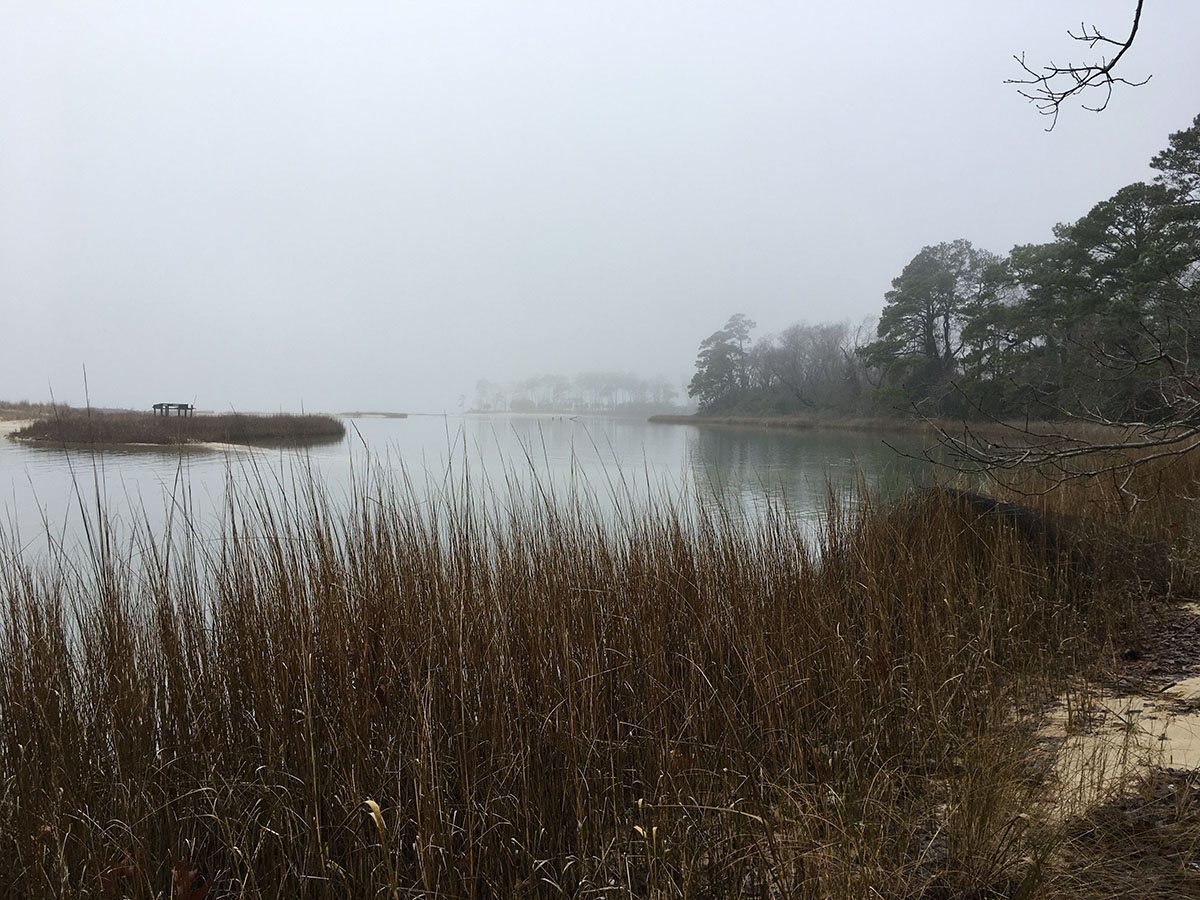
The debate underscores an important distinction: a fish population’s coastwide condition may not fully explain its availability within a particular estuary. Research underway in Virginia should help clarify those local relationships.
At Trout Headwaters, we recognize that resilient aquatic ecosystems require attention to both habitat and the species that depend on it. Restoring streams, reconnecting floodplains, and protecting wetlands support water quality and the ecological processes linking upstream landscapes with downstream waters.
Harvest management and habitat restoration address different pressures, but both belong in a comprehensive conservation strategy. The commission’s commitment to revisit the bay cap every three years creates an opportunity to incorporate emerging science while keeping ecosystem health central to future decisions.


