
Imagine you’re an environmental regulator, and you have two projects on the board. One project proposes to fill in and pave over a 10-acre wetland, and the other proposes to restore the ecological function of a damaged 10-acre wetland. Which project should have the easier, shorter, permitting process?
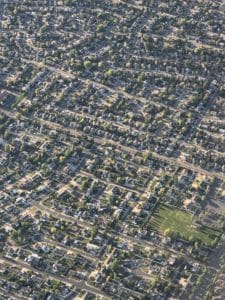
After all, lead scientists around the world have just told us this year through a clear United Nations Policy Platform on Biodiversity and Ecosystem Services that more than 85 percent of the world’s wetlands have been eliminated over the past three centuries, while the amount of land designated as “urban” has doubled just since 1992.
When nearly all of our wetlands, that provide critical habitat, plus store and filter our freshwater, have been eliminated it seems like a no-brainer that the wetland improvement project should be fast-tracked.
However, the way environmental permitting works today, all projects get dropped into the same regulatory permitting funnel. And because we live in a capitalist society, many times a destructive development project will be the one that’s pulled and fast-tracked because it’s deemed economically beneficial.
What our two example projects have in common is that they both involve working in and around a defined wetland, and the permit is really a permit to impact waters of the United States (including wetlands). But does it make sense for these two projects, with essentially opposite intentions, to be run through the same regulatory permitting process?

Washington Post columnist Eugene Robinson, reflecting on the U.N. report declared, “We’re killing off our planet, and our enlightenment may come too late.” Robinson expresses his fear that the years of good work and recommendations represented in the U.N. report will be widely ignored. Rampant economic growth has put an unprecedented strain on the natural world. Robinson observes, “We are running a fateful experiment with our one and only planet — and there’s no chance of a do-over.” Sadly, Robinson may be right about the report being ignored. The same month the U.N. report was released, Reuters reported, “Trump administration readies draft plan to speed environmental permitting.” The article states, “The Trump administration will complete a draft proposal to streamline environmental permitting for big infrastructure projects by next month…marking a key step in its controversial effort to cut red tape for industry over the objections of conservationists.”
Given the current rates of loss of our habitats and species – clearly we in the U.S. must begin to prioritize restoration projects, starting with their permitting.


