
In my research preparing to address a conference for the American Society of Landscape Architects (ASLA), I read author Nina-Marie Lister’s essay Water/Front which reflects on the growing trend away from what is considered ‘conventional landscape architecture’ and ‘traditional engineering’ toward a more informed, holistic view with respect to the landscape and its water resources.
Lister notes: “Today yet another shift is occurring; waterfront projects are going beyond green development. In a new wave of postindustrial revitalization, some cities are pioneering innovative approaches to site regeneration in which designers are considering land and water in synergy.”
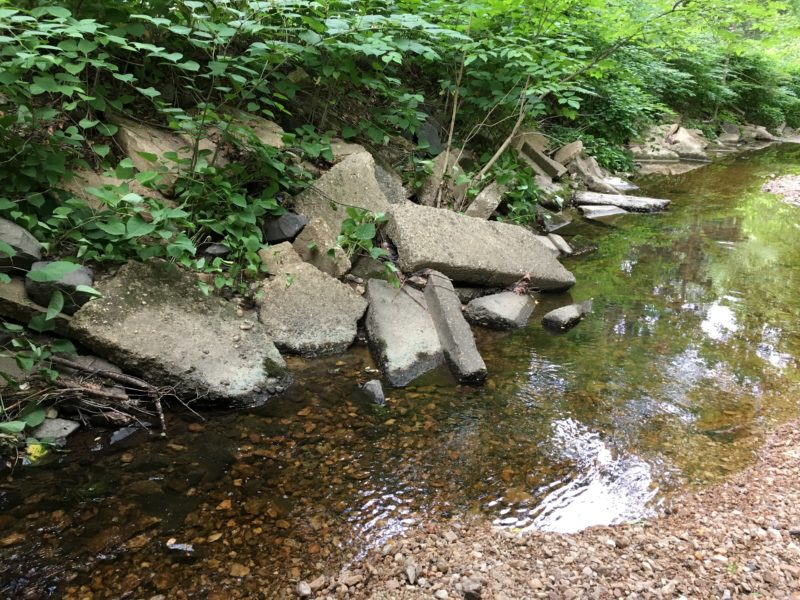
While this trend toward more environmentally “friendly” projects is vital, many so-called “restoration” or “revitalization” projects and materials commonly remain less than truly restorative. Existing conditions like floodplain development, stream bank armor, non-native invasive species, storm water discharges, historic dredging/channelization and other human-caused disturbances present unique and complex challenges to real restoration efforts in many settings.
Her essay concludes: “Centered on renewal rather than restoration, the design strategy comprises adaptation to occasional flooding, mediation between native and alien species, and a thick layering of habitats and edges, both cultural and natural, seasonal and permanent.”
Clearly, there is great need to address challenges to our waterways, wetlands and shorelines more holistically in the designs of our ‘human landscape.’ In that, the work of ecological restoration must center on eliminating, reducing and mitigating our human-caused impacts and disturbances.
Read Water/Front


