
The “many little hammers” approach to noxious or non-native vegetation management is not a new concept, but when working around streams and rivers using all the tools in your toolbox is critical. The goal ultimately is to restore native plant communities and reduce invasives in order to boost biodiversity.
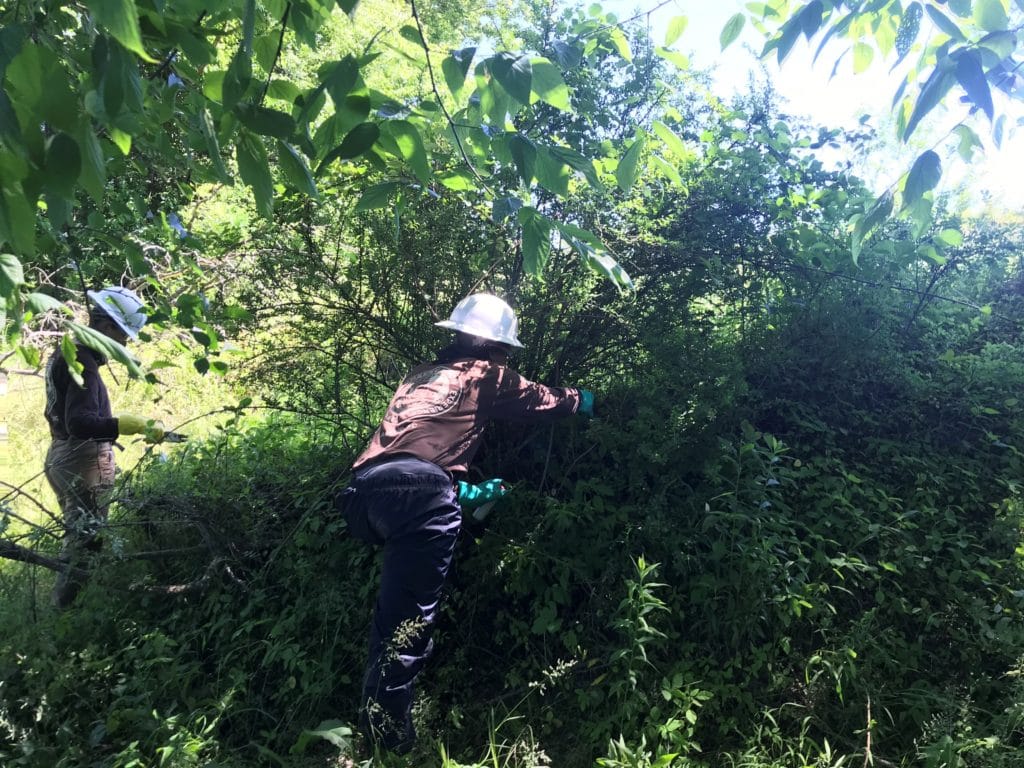
These non-native plants often interfere with the management objectives of a particular area of land. Noxious species are those that a state may have mandated for management and control by resource agencies and landowners due to their negative economic and environmental impacts.
Moving water, along with heavy use by wildlife, livestock and humans, can provide a constant source and opportunity for invasive species re-infestation. Higher soil moisture levels, which help many riparian species to thrive, can also benefit non-natives and noxious species.
The “many little hammers” management toolbox include: hand-pulling, mowing or weed-eating, girdling, fire, over-seeding, biological controls, targeted grazing, and herbicides. These treatments can be combined, and many of them used in the same area, depending on the species present, and the proximity to streams or wetlands.
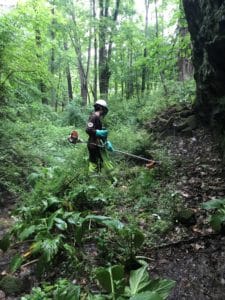
Wetlands are especially sensitive to work in and around when controlling invasive plant species. Crews should typically use very targeted treatment methods like hand chopping, pulling, and spot spraying.
Some herbicides, effective in upland areas, cannot be used in riparian areas due to their toxicity and effects on water quality. Any treatment strategy should be undertaken with great care in these sensitive areas to protect fish, wildlife, and human health
In most cases, these species evolved in other countries where environmental pressures cause them to develop aggressive and invasive characteristics. In the absence of their native predators and diseases, they are especially difficult to control.
Invasive plant management techniques are continually evolving. In most cases, a combination of several techniques, in conjunction with persistent monitoring, adaptive management, and prevention measures, will result in effective management.
Call us to talk about your project needs.
Trout Headwaters Inc (THI) is a technology-enabled services firm focused on our client’s unique goals and missions. At THI our guiding principle is always to stay customer-centric. And it is with thanks to each one of our clients that Trout Headwaters has achieved its place in the environmental restoration industry.


