
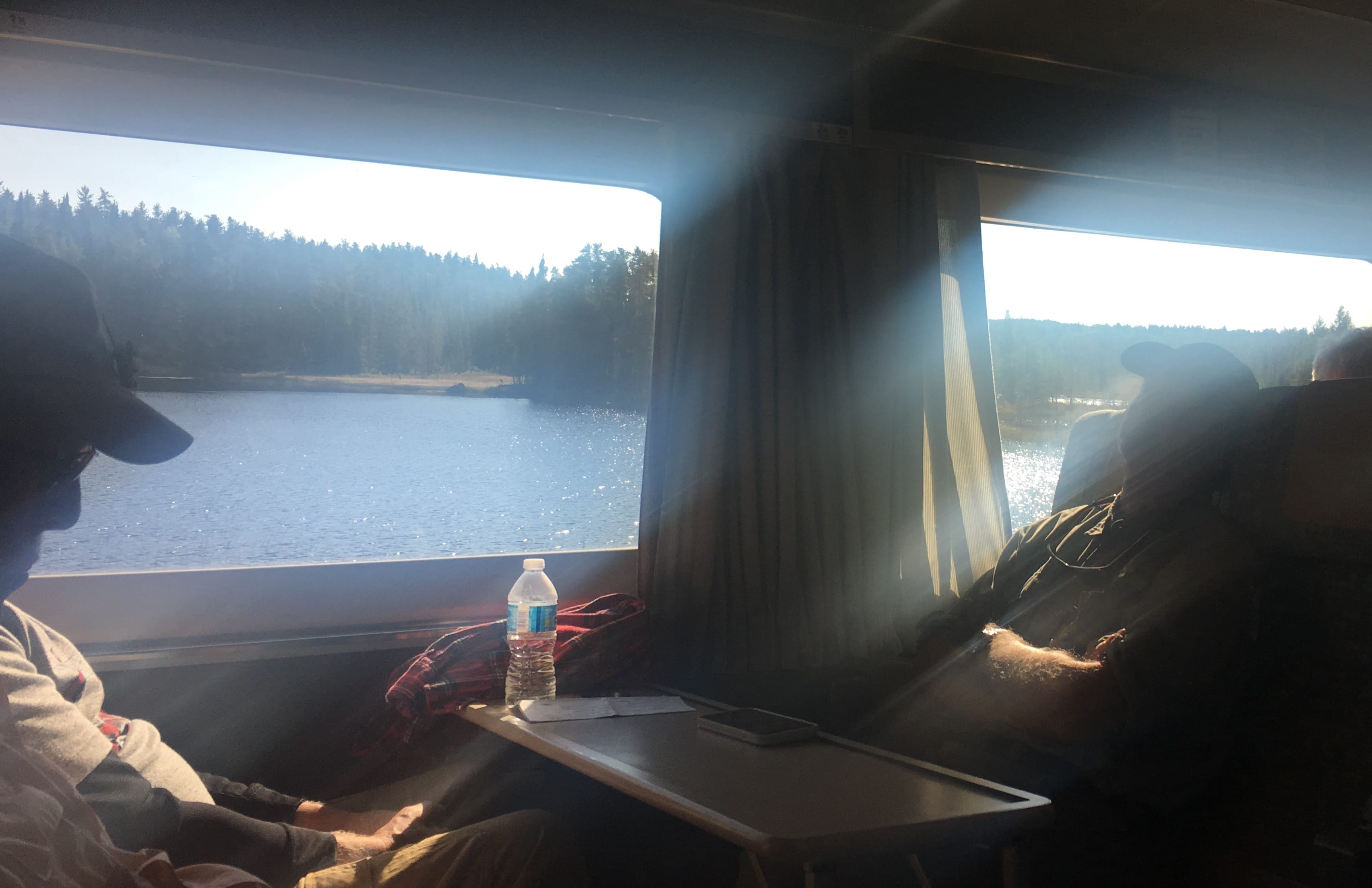
Staring out the window of a train in northern Ottawa there is water – water everywhere. I’m reminded that more than 25% of all the worlds wetlands are in Canada and there are more lakes here than any other country. Traveling north of the Great Lake they call Superior where water constantly surrounds you, it might be easy to believe the resource inexhaustible, simply too-vast to be polluted.
It’s that sort of fallacy that has has helped cause the wanton destruction and degradation of wetlands, streams and rivers across the United States. It’s that sort of fallacy being used to rush their elimination today.
In 1780, the lower 48 states in the U.S. possessed an estimated 221 million acres of wetlands. By the 1980’s only about 104 million acres of wetland remained. Year over year, the U.S. continues to lose these vital resources, with wetlands now comprising less than 5% of the land area in the lower 48.
And now that more than half the wetlands in the lower 48 have been lost, policy-makers and legislators are looking for new rules to help speed destruction of our remaining reserve of wetlands in Alaska. These facts despite the overall goal of ‘no net loss’ of wetlands first established in 1989. These trends are clearly not sustainable.
Over the coming weeks, Trout Headwaters will release timely research, revealing areas in the U.S. currently seeing some of the most dramatic losses to streams, rivers and wetlands. These reports according to new analysis of U.S. Army Corps of Engineers data.


