
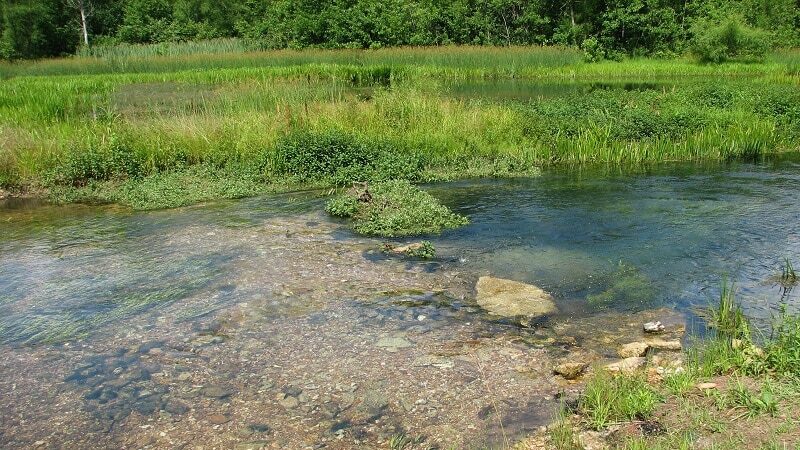
Increasing concentrations of carbon dioxide in the atmosphere has caused a widespread search for strategies to mitigate climate change. Wetlands improve water quality, mitigate flooding, provide wildlife habits, and more – importantly they are excellent carbon ‘sinks’ effectively sequestering carbon from the atmosphere.
One study reports that constructed wetlands sequester carbon at an average annual rate of 2,150 pounds per acre. A study of freshwater wetlands in Pennsylvania found an average total storage of 70.7 MT of carbon per acre . Tidal freshwater marshes in Georgia studied were found to sequester 124 million MT of carbon per year, and in the Florida Everglades that figure is estimated to be even higher.
For the past nearly three decades, Trout Headwaters has worked to create, enhance and restore significant wetland acres on behalf of clients across the U.S. – sequestering many thousands of metric tons of carbon. (That’s a lot of carbon as a happy by-product of cost-effective stream and wetland restoration!)
As the World begins shifting priorities and technologies in reaction to our rapidly-changing climate, we must not ignore restoring and constructing wetlands as opportunities for places to store carbon long-term.


